· FOI/EIR · partially withheld
A83 road signs between Drishaig and Dunderave: EIR release
Information requested
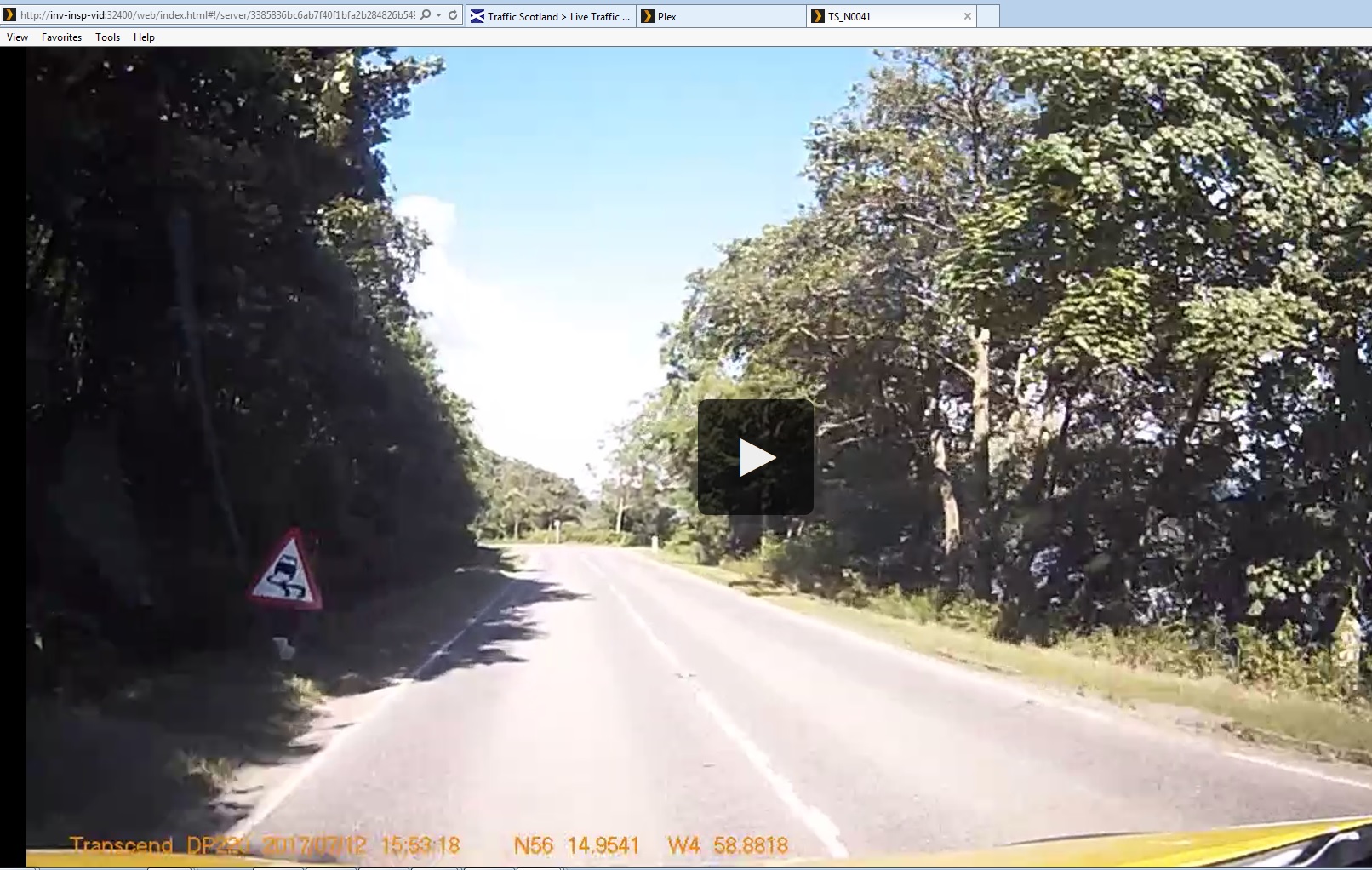
The following information regarding "caution slippery surface" signs on the A83, 1.5 miles from the Oyster Bar:
"I would also request under the freedom of information act the dates that these signs were put up and/or put up again after falling down."
To which you clarified that the required date of your request as 11 July 2017.
Response
As the information you have requested is 'environmental information' for the purposes of the Environmental Information (Scotland) Regulations 2004 (EIRs), we are required to deal with your request under those Regulations. We are applying the exemption at section 39(2) of the Freedom of Information (Scotland) Act 2002 (FOISA), so that we do not also have to deal with your request under FOISA.
This exemption is subject to the 'public interest test'. Therefore, taking account of all the circumstances of this case, we have considered if the public interest in disclosing the information outweighs the public interest in applying the exemption. We have found that, on balance, the public interest lies in favour of upholding the exemption, because there is no public interest in dealing with the same request under two different regimes. This is essentially a technical point and has no material effect on the outcome of your request.
As explained in our response to FOI/17/02308, all signs (temporary and permanent) are subject to weekly routine safety inspections across the whole network and action is taken to address any defects identified. This might include the re-erection of any temporary signs that had fallen over.
Please refer to Annex A which is a screenshot of the north bound sign on the weekly inspection, which took place on 5 July 2017. Annex B is a screenshot of the south bound sign.
Detected exemption language
We are applying the exemption at section 39(2) of the Freedom of Information (Scotland) Act 2002 (FOISA), so that we do not also have to deal with your request under FOISA. This exemption is subject to the 'public interest test'. Therefore, taking account of all the circumstances of this case, we have considered if the public interest in disclosing the information outweighs the public interest in applying the exemption. We have found that, on balance, the public interest lies in favour of upholding the exemption, because there is no public interest in dealing with the same request under two different regimes.